
By Leopoldina Gouveia
On November 6, 2026, the Rene Cassin Foundation reminded us of the celebrations of the International Day for the Prevention of the Exploitation of the Natural Environment in the Context of Armed Conflict and how the consequences of armed conflict go beyond human causalities and destruction of property. Natural resources, ecosystems and local communities that depend on them are also exposed to the impacts of hostilities.
In 2020, the Geneva Academy of International Law classified the armed violence that the Northern Province of Cabo Delgado has been experiencing since 2017 as a non-international armed conflict. With extensive civilian casualties attributed to both the Mozambican Security Forces and the non-state armed group indiscriminately, the conflict has resulted in one of the most extensive internal displacements in the country today and associated with this, food insecurity, restrictions on access to basic resources and services, such as health and education in a context where there are also significant declines in funds for humanitarian support.
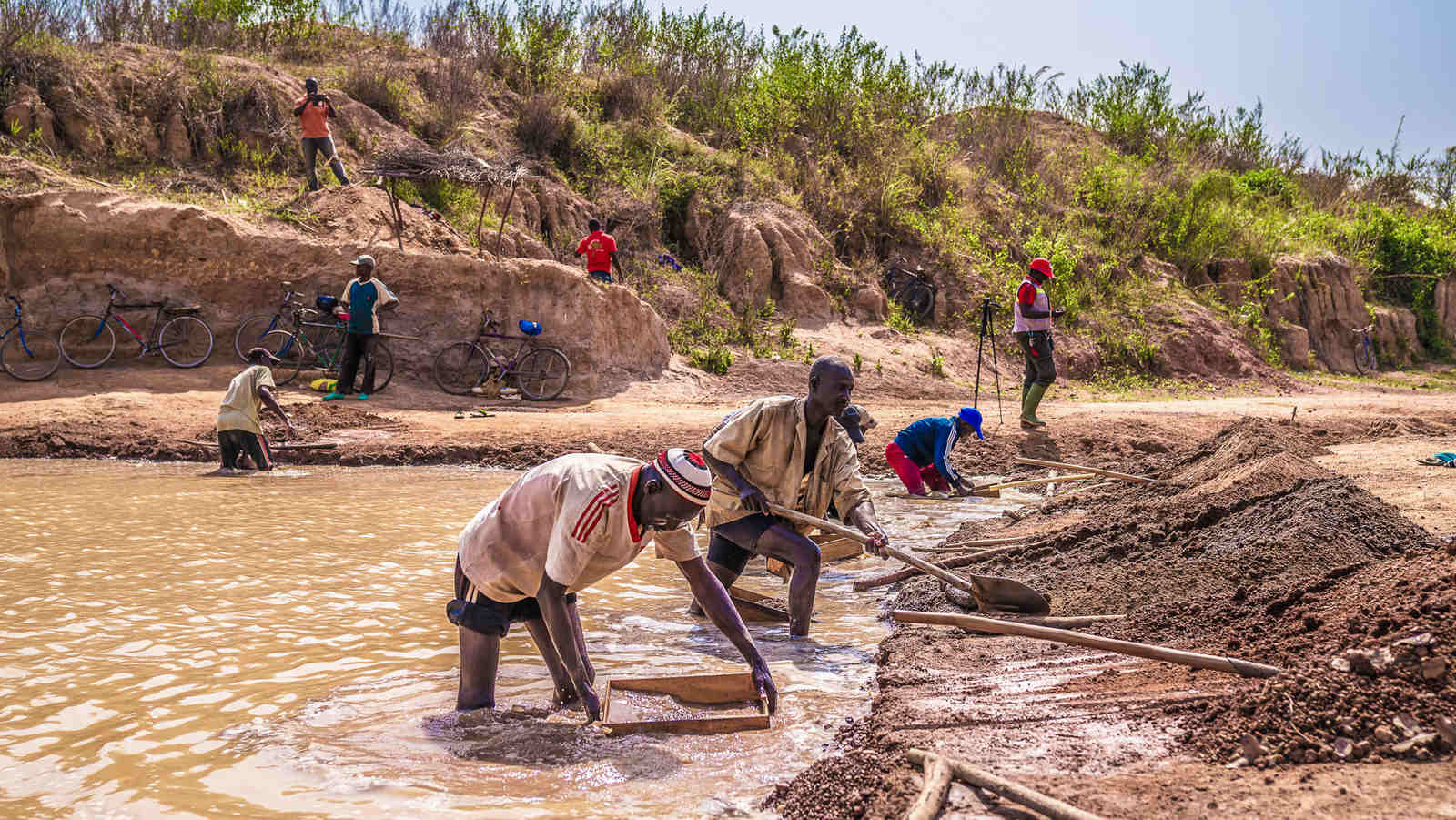
Parallel to reports of incursions into artisanal mining areas, looting of villages, kidnappings of civilians for the purpose of obtaining ransom by the non-state armed group to finance its operations, Cabo Delgado continues to attract massive foreign investment in the extractive sector. In addition to renewed financing for TotalEnergies’ liquefied natural gas project, the State has not recently granted an environmental license for the second FLNG project in the Rovuma basin.
Armed conflict is not considered by environmental laws and regulations in Mozambique and does not appear to be of interest to the framework for the revision of Environmental Policy and Law when the principles of international humanitarian law result in obligations for both belligerents and potential entities involved in business or exploitation of natural resources.
In addition to the general obligation to protect the environment that arises from its assimilation to civilian parties, prohibition of plundering of natural resources, destruction, removal, or disabling of resources or objects essential to the life of the civilian population, the International Law Commission adopted in 2022 a Draft of Principles on Environmental Protection in the Context of Armed Conflict which, among others, highlights the obligation of the State and other relevant actors in the protection of lands and territories of local communities, due diligence obligation of companies operating in areas affected by armed conflict, which includes the sustainable exploitation of the natural environment.
Furthermore, the Draft highlights the application of the precautionary principle, not neglecting the responsibility of the business companies and subsidiaries under its control for the damage caused to the environment and including human health and integrity by its operations.
Although called Drafts, the Principles adopted by the International Law Commission, such as Draft Principles on Environmental Protection in the Context of Armed Conflict, reflect existing customary norms of international law, recommendations and provide the State with practical guidance on how to adequately respond to its international obligations
https://warwatch.ch/situations/non-international-armed-conflict-in-mozambique/
https://unric.org/en/mozambique-humanitarian-crisis-conflict-climate-hunger/





Leave feedback about this