
In this edition of the Kleptocracy Report:
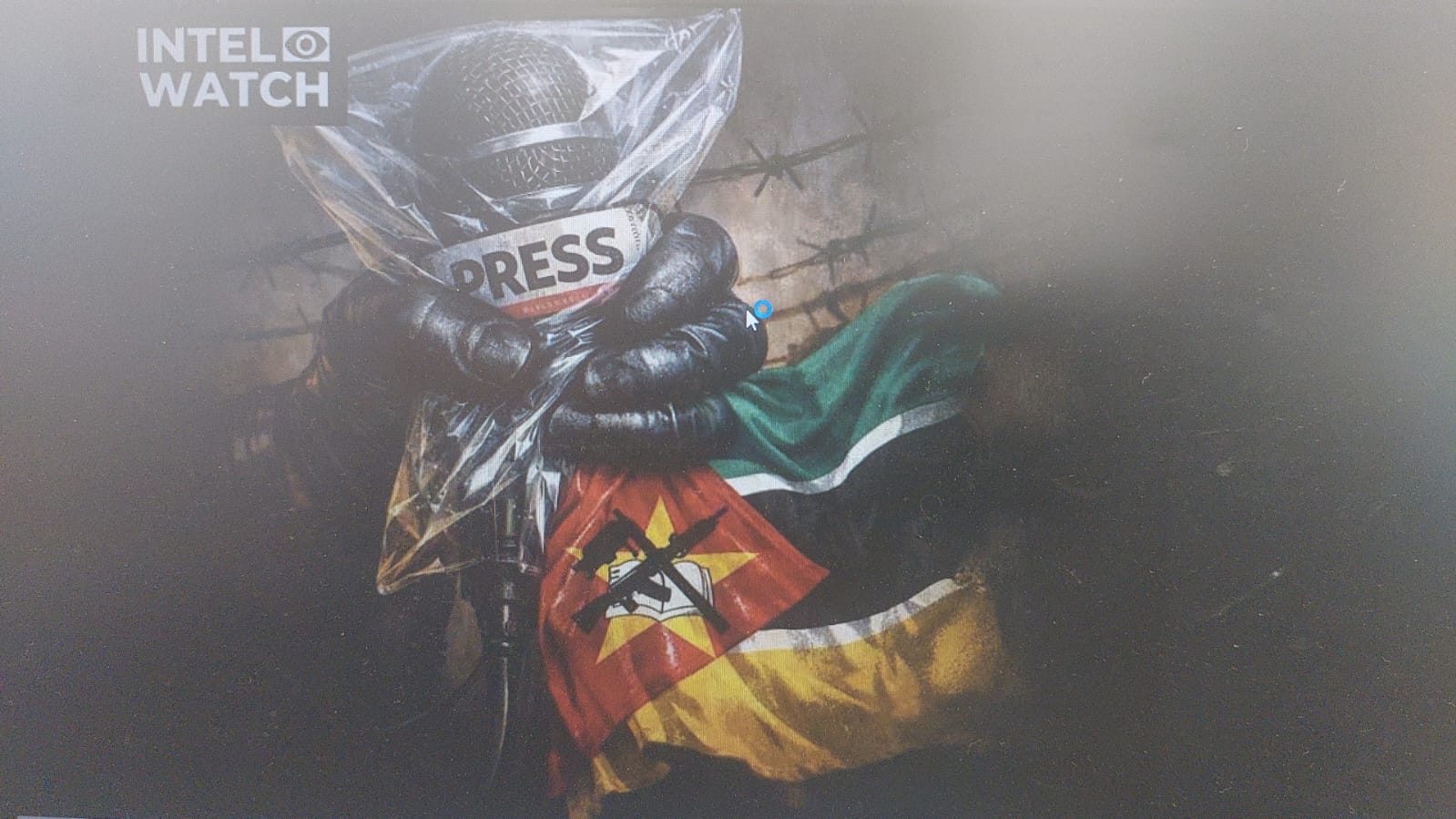
EditorialSelling out comes with silencing criticsJust after Estacio Valoi, together with a team of journalists and researchers, published a hard-hitting investigation into the licensing by government of a large stretch of Mozambique’s coastline to a Chinese sandmining company, his laptop, phone and camera were confiscated by the authorities. Later, he found that his email had been hacked. The operation, he learned in the meantime, was triggered by an earlier publication of his on illegal trafficking of timber, which is decimating the forests in his country. Valoi has relentlessly investigated the exploitation of Mozambique’s natural wealth, from mining to fish and wildlife and, recently, from the forests to the coast itself. He has often found that his country’s government departments, agencies and even the presidency -current president Daniel Chapo previously governed the area where the sand miners received numerous licenses- silently gave permissions for rapacious exploitation to foreign “partners” (see “The Model Behind Extraction” below). Besides the recent confiscation, Valoi has also been threatened, arrested and detained in the course of his investigations. But he is not the only one. In “Mozambique Exposed”, a team project with many media and journalists including Valoi, the NGO Forbidden Stories documents a long list of attacks against critics and journalists in the country, which have all gone unpunished. Selling out apparently necessitates oppression. But, as investigative journalists and activists say in Mozambique, a luta continua. We produce the Kleptocracy Report with a small team of African investigative journalists. Your support can help us to keep publishing in freedom and open gateways for democratic change. Read more about our work and funding here. And please also comment, and contribute kleptocracy news for us to look at! Digging out the Coastline
Image by Estacio Valoi “The house is handed over and sold for a song”. This is how Mozambican journalists and researchers summarise the model behind the dozens of extractive projects in their country. In a new investigation they look at a Chinese sandmining company that is digging up large stretches of pristine coastline, threatening fishing livelihoods and coastal communities (see also here) and how this company obtained license after license without the required environmental permission. The modus operandi of a small group of kleptocrats on both sides of the backroom deal includes the ignoring of environmental and technical reports, even when these come from other branches of government. Read The Model Behind Extraction The EnablersFormer Kleptocracy Report editor Devi Pillay, now governance and integrity researcher at the University of Sussex, explains how kleptocrats, criminals, and corrupt elites use professional service providers to move, disguise, and legitimise their funds. “These intermediaries, including bankers, lawyers, accountants, and realtors facilitate illicit financial flows by setting up shell companies and structuring corporate vehicles, providing tax advice, purchasing real estate and property, hiding beneficial ownership, and providing a wide variety of other professional services”, she writes. Noting that the public debate on the rights of such professionals to do what they do is still on, she concludes that “building consensus for profession-led reforms will be an important avenue for change.” Read Professional Enabling here Big Brother Wildlife
Image by Gerald Tenywa Even when governments are protecting nature areas in Africa, this is often done for the benefit of foreigners and foreign partners, while humans and their livelihoods tend to get overlooked. Surveillance technology designed to protect endangered species is now being weaponised against communities living in natural areas across the African continent. Its repercussions range from harassment to physical violence. Benon Oluka, Sam Schramski and Tulani Ngwenya report. A Win in The Gambia
Image by The Republic Our partners at The Republic in The Gambia booked an investigative journalism victory when the country’s Chief of Defense Staff, Mamat Cham, resigned after the colleagues exposed Cham’s operation of a commercial fishing boat, -that was in the care of the navy-, for own profit. The boat, crewed in part by active-duty naval personnel, was originally confiscated from migrant smugglers. The army chief faces further scrutiny over nepotism and abuse of privilege, including fast-tracking his underage son into military training and diverting army food supplies to his private residence. Stories from the network
Thanks for reading The Kleptocracy Report by ZAM x NAIRE. Subscribe to receive new posts and support our work. You’re currently a free subscriber to The Kleptocracy Report by ZAM x NAIRE. For the full experience, upgrade your subscription. |
Investigação
Sociedade
KR#18: Selling out and silencing critics-ZAM


Mais Noticias




Leave feedback about this