

| The announced transition from evening classes to distance education, starting in 2026, has been presented in public discourse as a measure of modernization, administrative efficiency, and a response to security concerns. However, when examined against Mozambique’s socio-economic realities and the principles underpinning the right to education, this decision raises serious concerns regarding equality, non-discrimination, and effective access to learning.
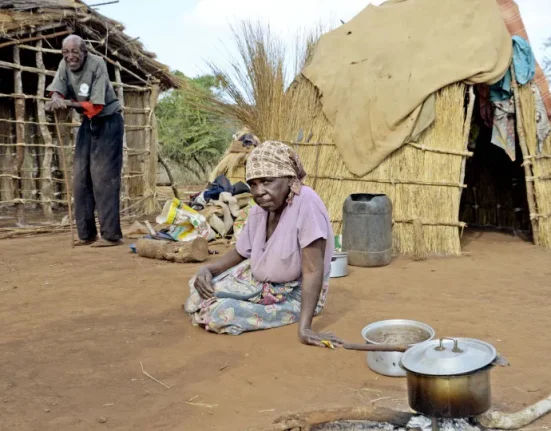
Replacing face-to-face instruction with digital platforms, without first ensuring universal access to the necessary material conditions, risks excluding precisely those groups the education system is meant to protect: young people from poor households, working students, and families in situations of vulnerability. A simple example—one that reflects the lived reality of thousands—illustrates the problem clearly: a 12th-grade student with no access to a computer, smartphone, stable internet connection, or reliable electricity. This is not a question of lack of motivation or ambition, but of the absence of material means. The 12th grade is a decisive stage in the educational trajectory, critical for access to higher education and social mobility. Requiring such students to follow distance learning without adequate resources is, in practice, to push them toward dropping out. When the State creates conditions that are impossible to meet, exclusion ceases to be an individual failure and becomes an administrative and structural one. (CDD) |




Leave feedback about this