


By Antonio Cossa
The copper wiring and components that power our modern world have a hidden human cost: environmental crimes, forced child labor, human trafficking, and support for terrorism.
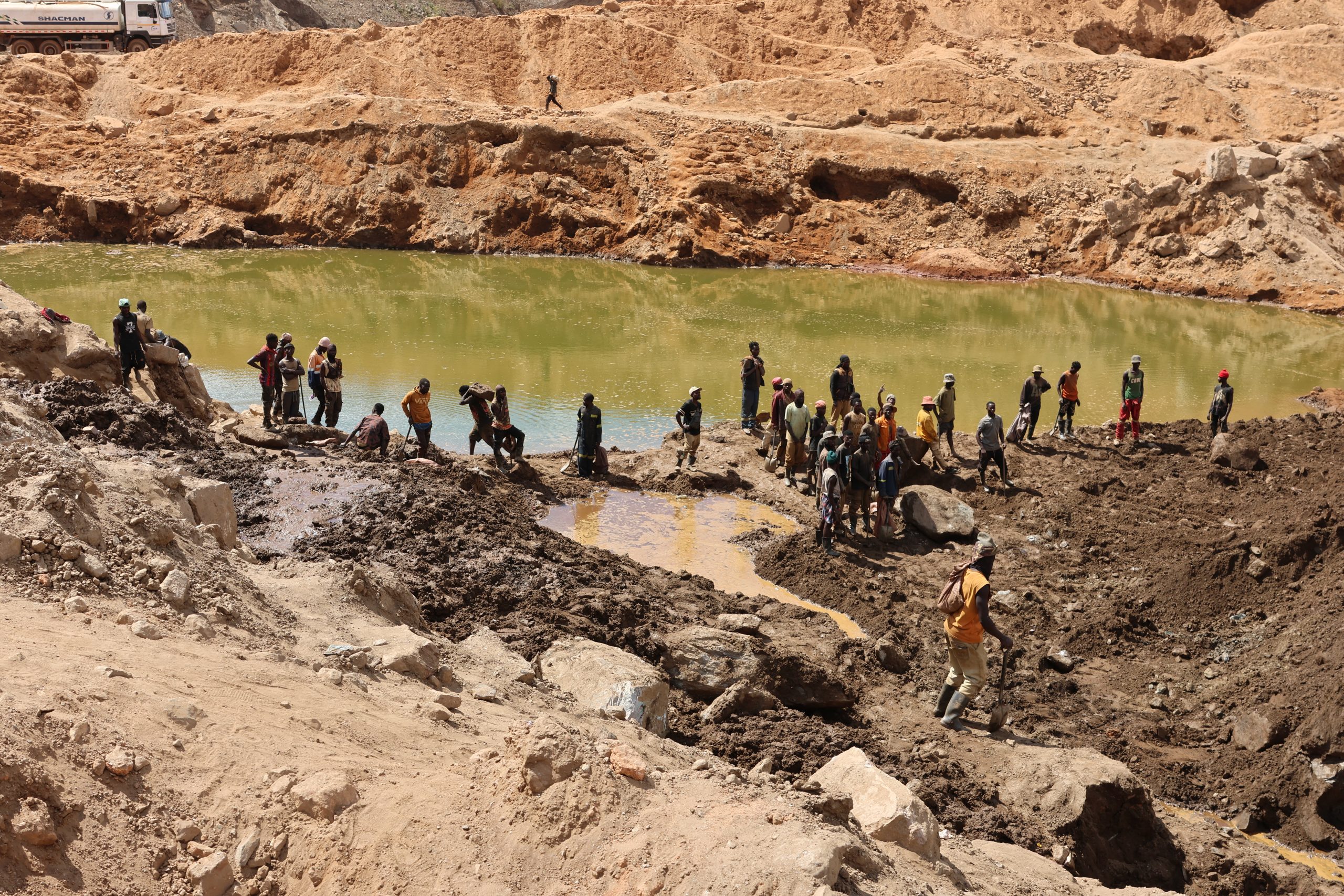

Foto: Antonio Cossa/DRC
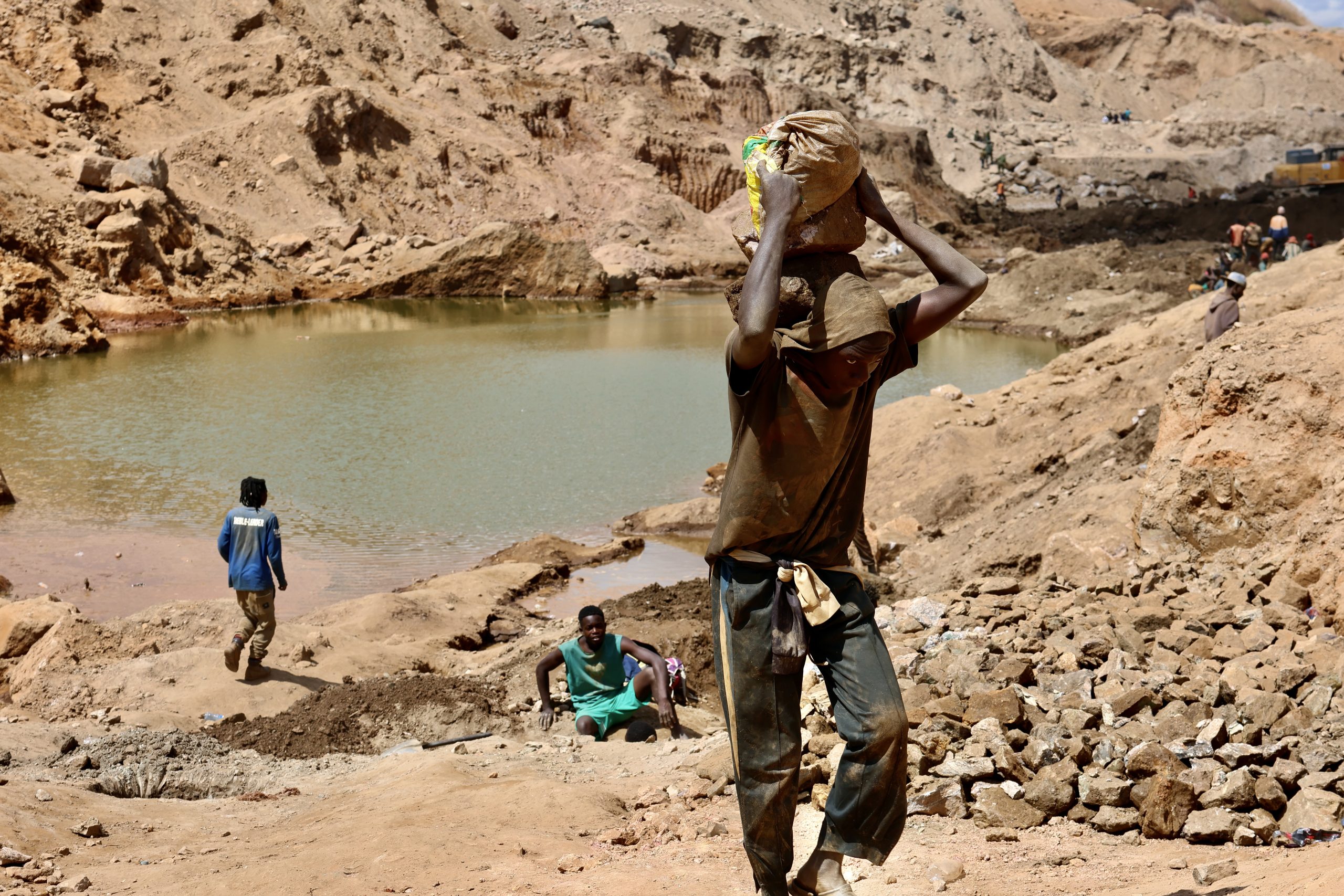
Illegal mining is an environmental crime that fuels deforestation, soil erosion, and water pollution. The toxic chemicals used in extraction contaminate waterways, devastate ecosystems, and endanger human health.
While the extraction of critical minerals is vital to many national economies, a significant portion of it continues to operate informally and illegally. This gap in oversight provides criminal groups with opportunities to establish territorial control, exploit natural resources, and the people who depend on them for survival.
Artisanal and small-scale mining often operates on the fringes of the law. The revenues generated fuel corruption, armed conflict, and lead to serious human rights violations, including human trafficking and forced child labor. Once extracted, illegally obtained minerals circulate through opaque and cross-border supply chains, allowing organized criminal groups to profit while laundering money on a global scale. The impact of illegal mining is significant and has enormous financial implications. Illegal gold and copper mining alone generates billions of dollars annually, depriving governments of public revenue and simultaneously devastating biodiversity, climate resilience, and human lives.
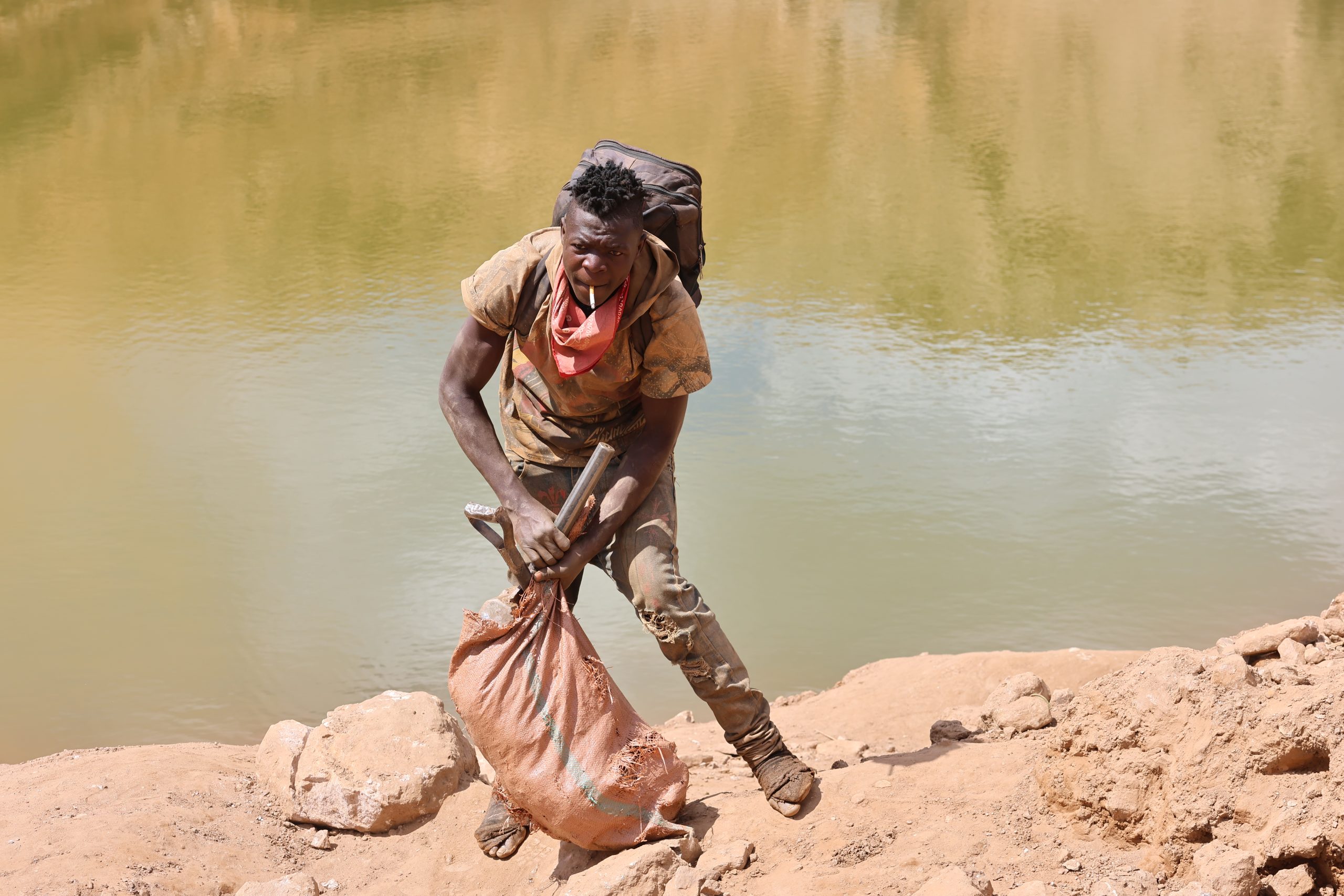
Foto: Antonio Cossa/DRC
The vast mineral resources have fueled conflicts between armed groups and militias. These factions fight for mining territories, using the profits from illegal extraction and smuggling of conflict minerals to finance their operations and purchase weapons. The struggle for control of mineral-rich areas has led to prolonged violence, contributing to the deaths of millions of people and destabilizing entire regions.
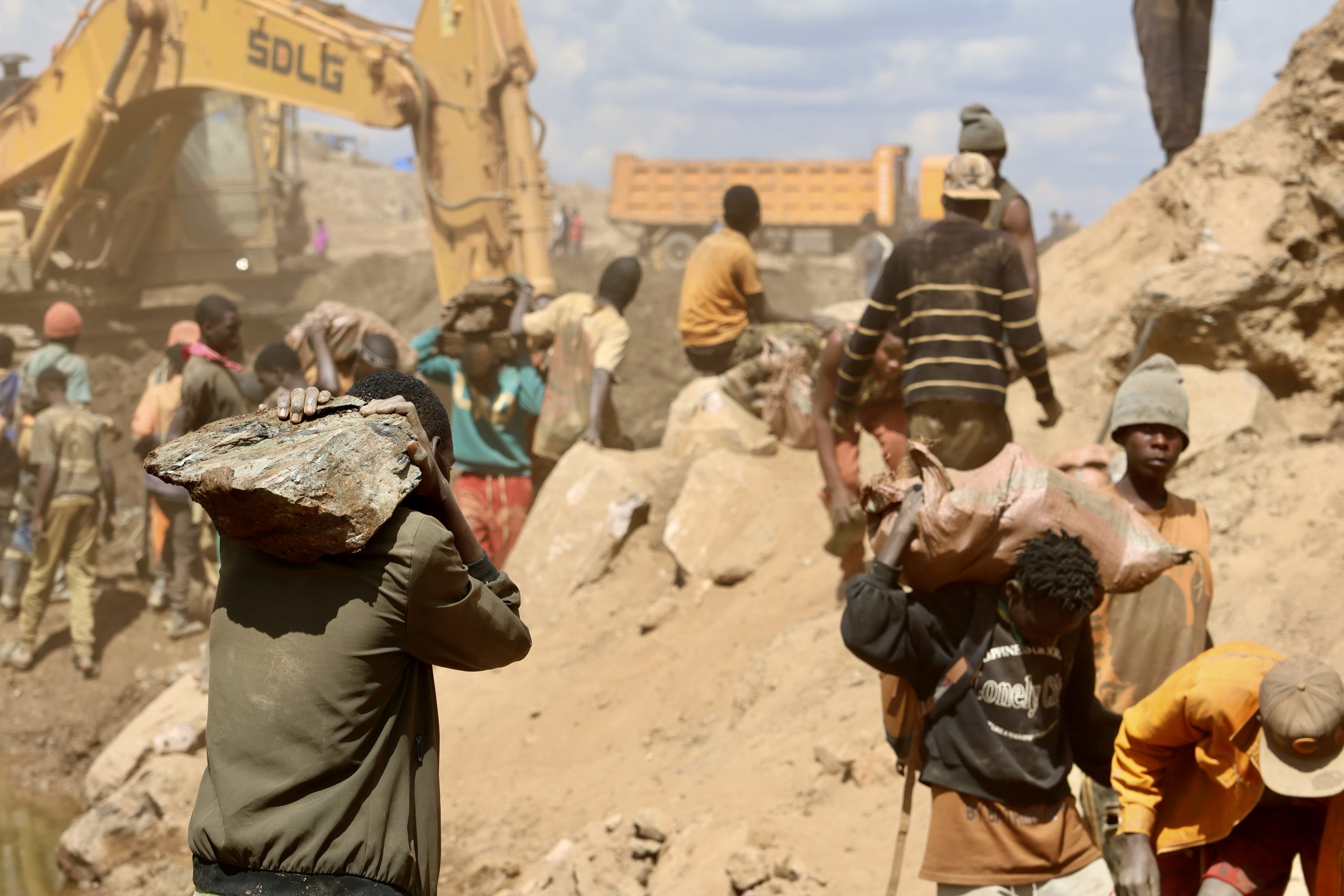
Foto: Antonio Cossa/DRC
In the Democratic Republic of Congo (DRC) and neighboring Zambia, weak border controls, systemic corruption, and high global demand allow illicit mining networks to thrive. These networks channel millions of dollars to both violent criminal organizations and radical militant groups.
Terrorist groups like the Allied Democratic Forces (ADF), affiliated with the Islamic State, and local rebel militias systematically infiltrate illegal mining networks. While groups like the Australian Democratic Forces (ADF) traditionally relied on gold, timber, and precious metals like copper, the widespread collapse of state authority allows armed factions to collect, smuggle, and launder money from the illegal copper and cobalt trade to buy weapons and sustain operations.
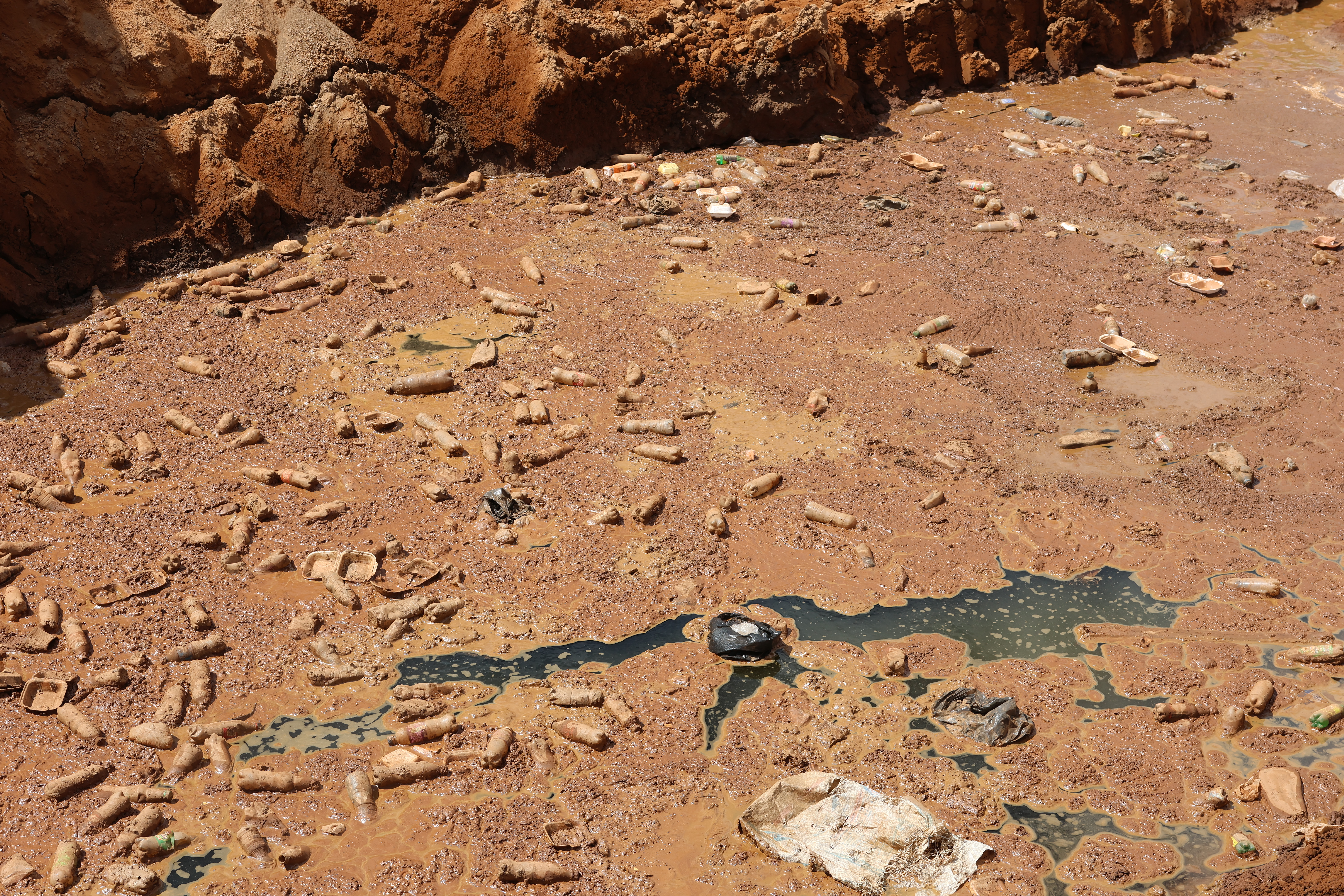
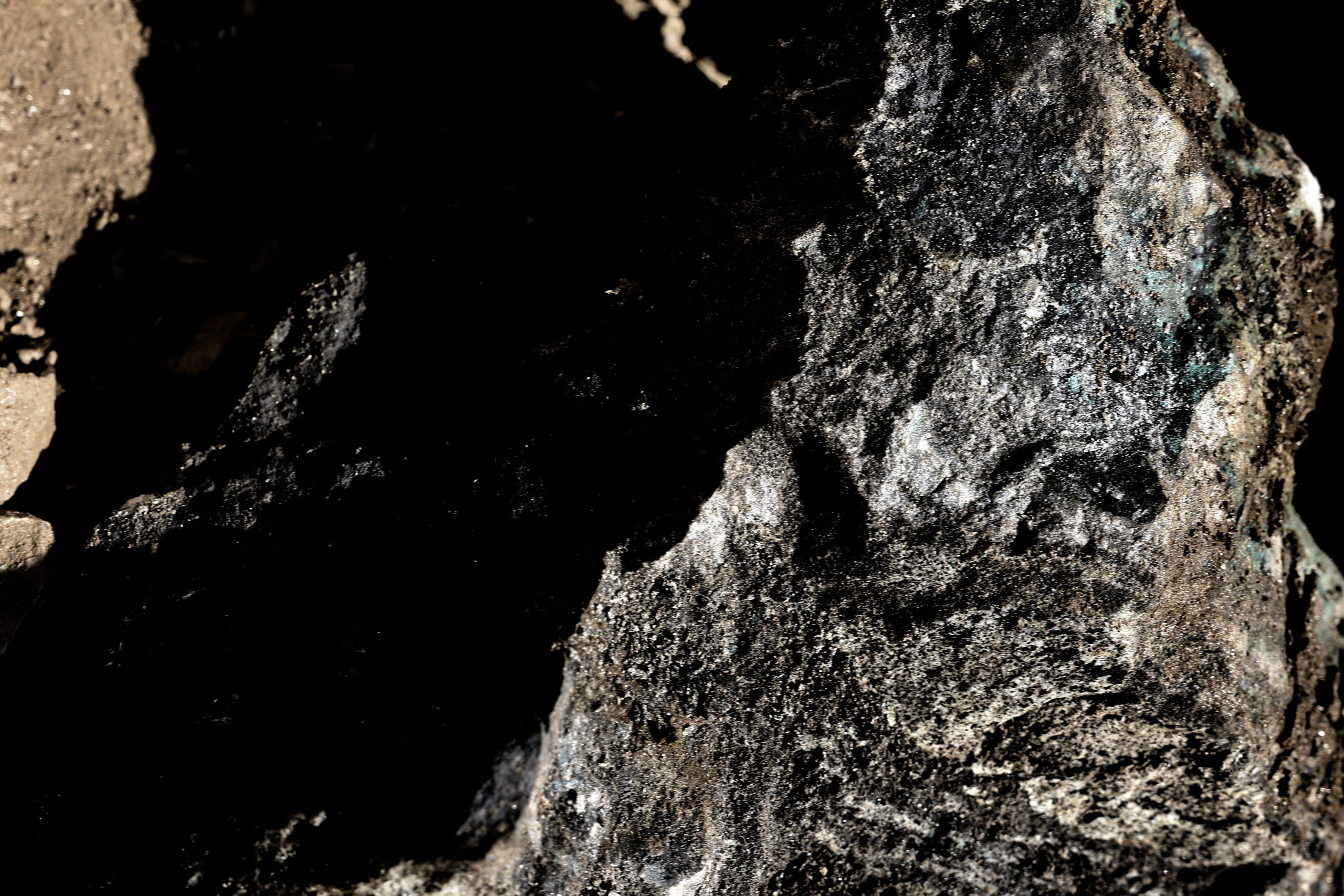

Foto: Antonio Cossa/DRC
Although the country is home to some of the world’s largest deposits of critical minerals, the revenue generated from these resources rarely benefits the local population. Instead, it sustains the power of warlords, militias, and corrupt officials who perpetuate the cycle of conflict. Global demand for these minerals, used in everyday electronics such as smartphones and laptops, ensures that the illegal trade continues despite international efforts to regulate it.

Central Africa is home to some of the most important minerals used in modern technology and industry. Despite possessing such a significant share of the world’s mineral wealth, the population sees few benefits, as much of the extraction and trade is controlled by armed groups.


