By Zitamar News
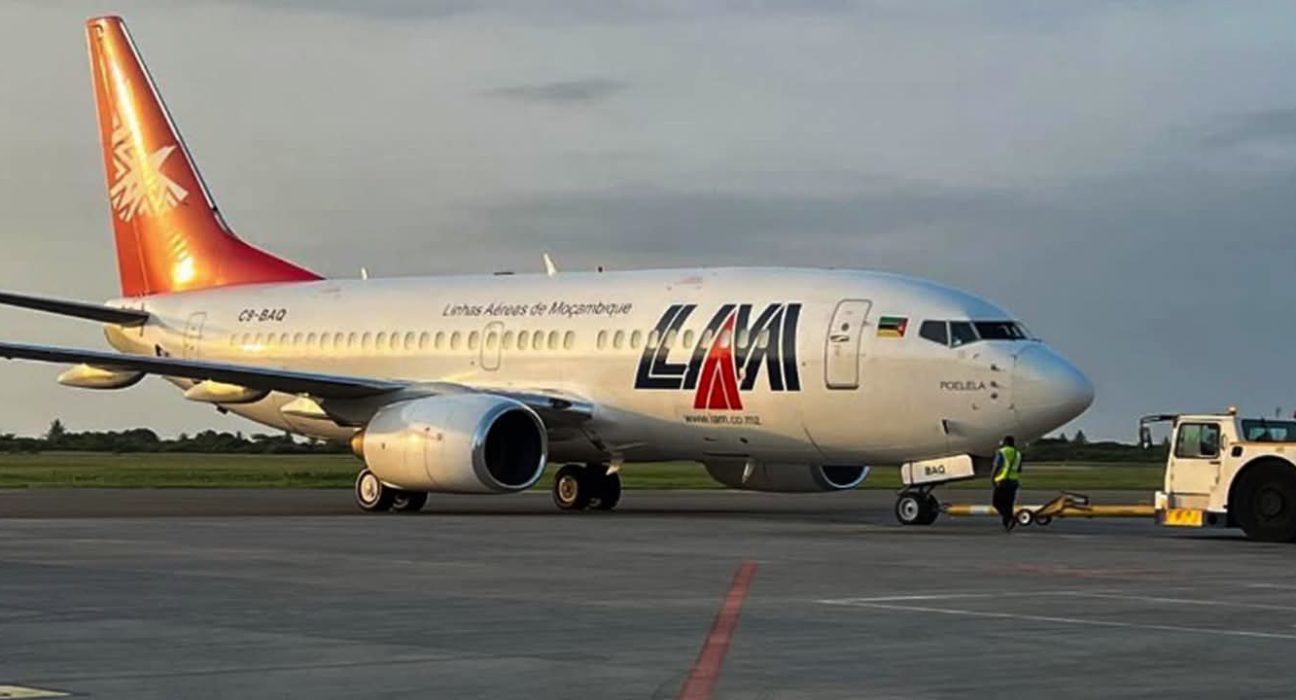
One after another, Mozambique’s state-owned companies have begun reporting surprisingly positive financial results. Petromoc almost tripled its profits last year. Airports of Mozambique returned to the black. LAM now says it has completed a year of “financial and operational recovery”, announcing a profit of MZN5.3bn ($83m).
At first glance, it looks like a remarkable turnaround across the public sector. The reality is both more encouraging and more complicated.
For several years, the Institute for the Management of State Holdings (IGEPE), backed by the government, has been quietly carrying out one of the biggest restructurings of Mozambique’s public companies since independence. The objective is straightforward: remove the toxic debts accumulated over decades, transfer liabilities that rightly belong to the state onto the government’s own balance sheet, and give companies a chance to operate on a commercial footing.
There is a strong case for doing that. Many of these debts were not created because the companies themselves were poorly managed. Petromoc accumulated liabilities while implementing politically imposed fuel subsidies, while Airports of Mozambique inherited debts linked to government decisions to build the Maputo and Nacala airports. LAM has long been expected to fulfil political and social objectives that no purely commercial airline would accept.
If government policy created the liabilities, there is logic in government assuming responsibility for them. But that does not mean the companies themselves have suddenly become healthy.
LAM’s own accounts show that almost its entire reported profit resulted from the cancellation of nearly MZN5.9bn of debts owed to Airports of Mozambique and Petromoc following instructions from the state shareholder. Without that one-off accounting gain, the company would have remained deeply in the red. Airports of Mozambique’s own return to profit similarly depended on reversing impairments following the restructuring of debts owed by LAM.
None of this is improper. On the contrary, it may be an essential step if these companies are ever to become financially sustainable. But it means these accounting improvements are not proof that the underlying businesses have recovered.
LAM deserves credit for reducing operating costs by around 20%, renegotiating supplier contracts and reducing its workforce. At the same time, management remuneration rose almost ninefold during the year, while the accounts still record more than MZN220m ($3.4m) in losses relating to ticket issuance and acknowledge that the company’s equity remains negative and its recovery incomplete.
One welcome aspect of the exercise is that these accounts are finally becoming public. For years, many state-owned companies published little or nothing about their finances. Greater transparency allows taxpayers to see both the scale of the problems inherited from the past and the measures being taken to address them.
The real test will come over the next five years. If LAM, Airports of Mozambique and Petromoc can now generate sustainable profits without accumulating fresh debts, IGEPE’s strategy will deserve considerable credit. If they simply return to the same cycle of losses, government guarantees and periodic debt write-offs, the restructuring will merely have postponed another reckoning. (Moz24h)