
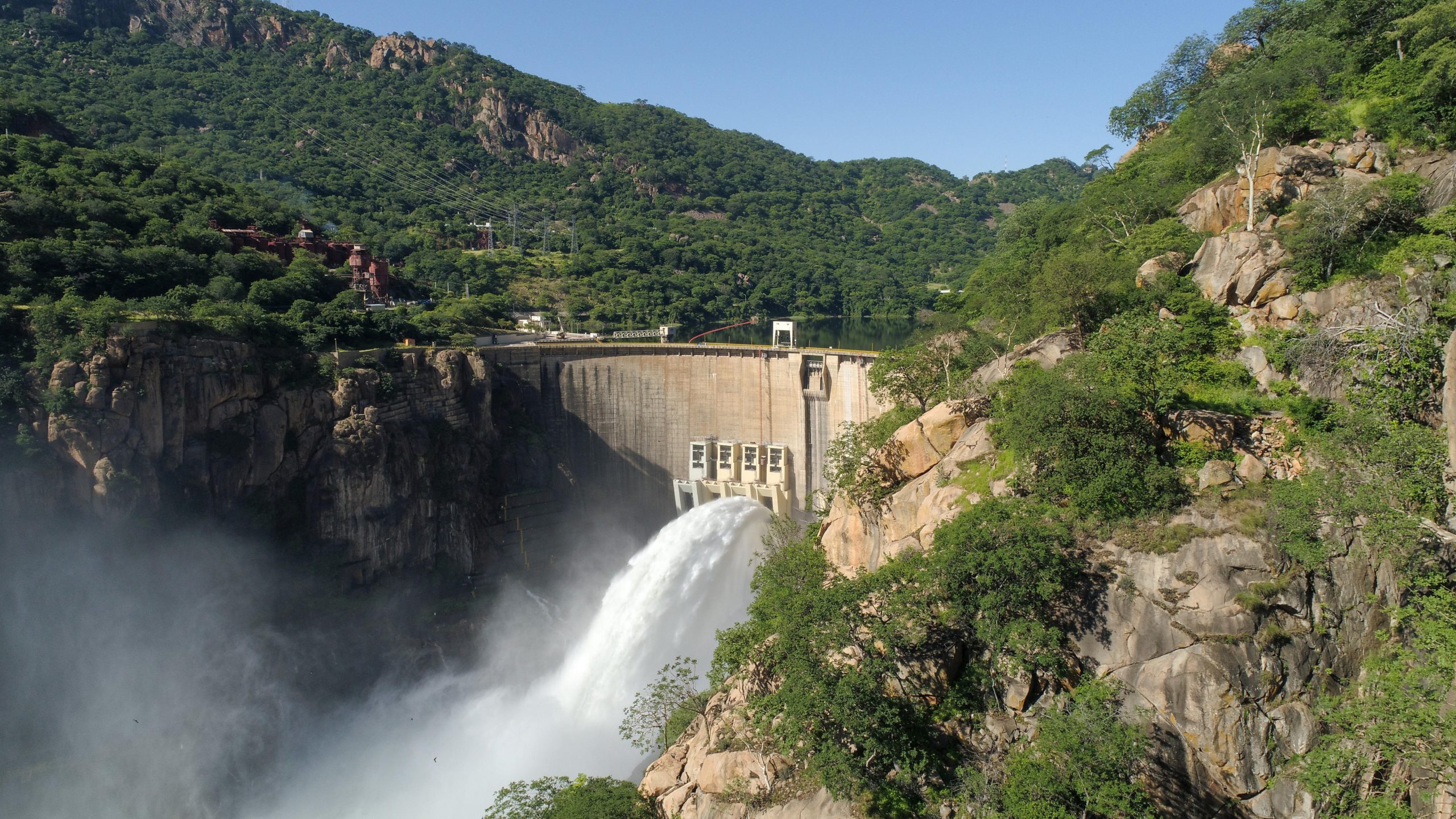
Eskom, South Africa’s state-owned electricity utility, is facing a decisive deadline until the end of March to secure a new power supply agreement with Mozambique, in a negotiation process involving Hidroeléctrica de Cahora Bassa (HCB) and the Mozal aluminium smelter, one of the largest industrial electricity consumers in the region.
The contract currently in force, which governs the supply of electricity to Mozal, formally expires at the end of March, and no replacement agreement has yet been reached. This situation increases the risk of significant operational disruptions should negotiations not be concluded within the established timeframe.
The confirmation was given by Eskom’s Chief Executive Officer, Dan Marokane, who stated that the contract ends in March and that, so far, no new formal understanding has been concluded, amid growing concern over Mozal’s future.
Mozal is one of the largest aluminium smelters in Southern Africa and is owned by the multinational South32. It is also a pillar of Mozambique’s economy, being the country’s largest industrial employer, with more than 2,500 workers.
At the end of last year, South32 announced that the smelter would be placed into care and maintenance when the power supply contract expires at the end of March 2026, should a sustainable and long-term energy solution not be secured. Historically, most of the electricity consumed by Mozal has been produced in Mozambique through HCB. Under the current agreement, Eskom supplies power only when the hydroelectric plant is unable to fully meet the smelter’s needs.
Recently, HCB warned that the current drought conditions could affect its hydroelectric generation capacity, further heightening concerns about the security and continuity of electricity supply to Mozal.
“I think it’s getting a bit late. Every day that passes without an agreement is a day that will probably contribute to some delays.” – Dan Marokane
Speaking on the sidelines of the 56th Annual Meeting of the World Economic Forum, held from 19 to 23 January in Davos, Switzerland, Dan Marokane said that negotiations are ongoing. “I remain hopeful that the parties’ efforts to find a solution will bear fruit. But that’s all I can say at this stage,” he said, stressing the need to review the terms of any future agreement.
He also warned of the urgency of the process. “I think it’s getting a bit late. Every day that passes without an agreement is a day that will probably contribute to some delays,” he said, acknowledging that the new terms will have to reflect the current realities of the regional electricity market.
In the same international context, Mozambique’s President, Daniel Chapo, cancelled his participation in the forum in order to remain in the country and directly monitor the situation of communities affected by flooding in several regions of Mozambique, underscoring the priority given to the domestic response to the humanitarian crisis.
Alongside the negotiations with Mozambique, Eskom is facing similar challenges in the domestic market, where a joint task force has been created with the South African government and smelter operators to review electricity prices for large consumers and present a proposal by the end of February.
These initiatives form part of a broader effort to restore investor confidence in South Africa’s energy sector. Dan Marokane highlighted improvements in generation performance, more than 250 days without severe power cuts, and structural reforms guided by the Integrated Resource Plan, stating that “this year, we are talking about what we have achieved” as a basis for strengthening the country’s credibility.
Source: Business Report
Eskom Faces “Critical Deadline” for Energy Agreement With Mozambique




Leave feedback about this