
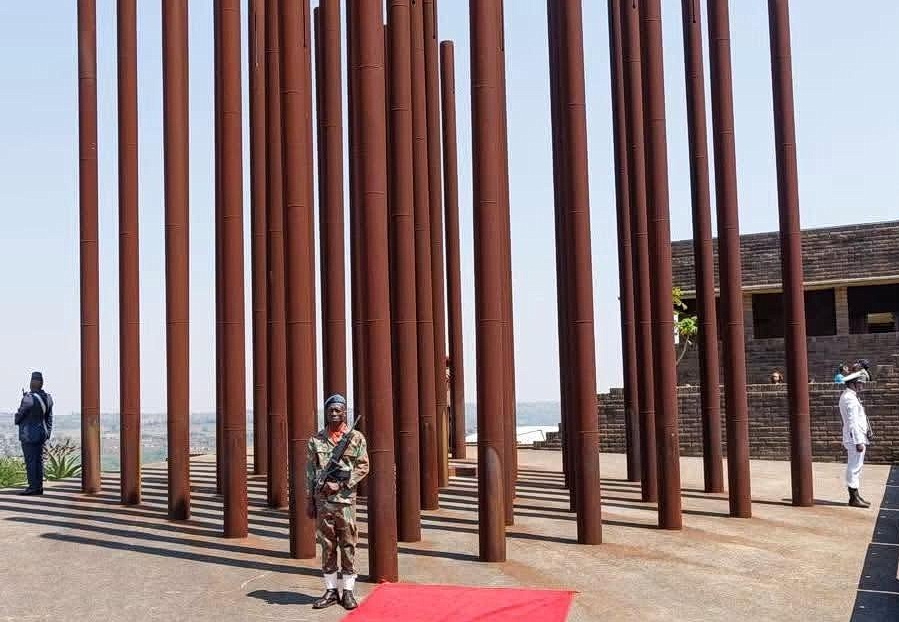
On the 40th anniversary of the death of Mozambique president Samora Machel who was killed in a plane crash in Mbuzini on 19 October 1986, his widow Mama Graça Machel paid a moving tribute to the late liberation hero.
“I lost my friend, partner, father to my children and husband. Samora [Machel] believed a newly independent Mozambique belonged to its people before it belonged to any ideology. He showed, through his own life, that leadership is a form of service so total it can cost you everything,” Mama Graça wrote in a short note on Facebook.
“Forty years is long enough to see what outlives a person. What outlives him is the conviction he left in me and in a generation of”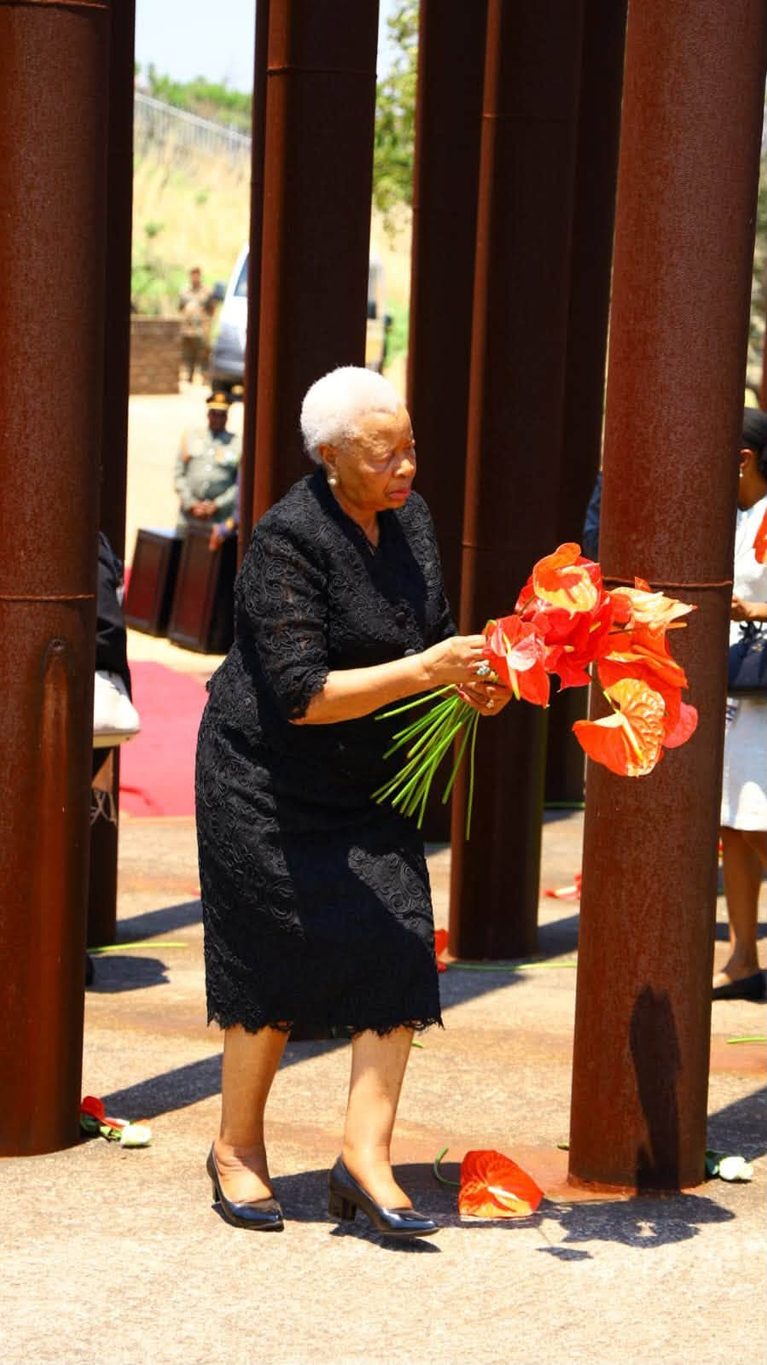
Mozambicans: that a country is worth building even when you will not live to see it finished. Samora, forty years on, we are still building,” she concluded.
Machel’s tragic death which remains unresolved. South Africa and Mozambique are now being challenged to translate their shared history of sacrifice into deeper economic cooperation, regional integration and prosperity for their people.
Speaking at the 40th anniversary commemoration of the Mbuzini tragedy in Mpumalanga on Monday, 19 October, International Relations and Cooperation Minister Ronald Lamola described the death of Machel and 34 of his comrades as one of the most painful chapters in Southern Africa’s liberation history.
Lamola said the two countries have a responsibility to build on the political solidarity that united them during the liberation struggle by addressing poverty, unemployment and inequality through industrialisation, trade and investment.
The memorial attended by Mozambican President Daniel Chapo, also provided an opportunity to reflect on the unfinished business of liberation and the future of relations between the neighbouring countries.
“It [the tragedy] also symbolises our shared sacrifices and the enduring bonds that unite the peoples of South Africa and Mozambique,” Lamola said.
President Chapo called for further efforts to unearth the truth behind Machel’s death, saying that investigations conducted over the decades failed to dispel all doubts about the circumstances of the crash.
“Forty years later, questions remain about the circumstances of the Mbuzini tragedy. The investigations and explanations produced over these decades have not eliminated all doubts,” Chapo said.
He stressed that the families of the victims and the Mozambican and South African peoples have the right to know the truth about the events of that night.
Chapo reaffirmed the Mozambique’s commitment to preserving the memory and dignity of all those who lost their lives.
Machel, who led Mozambique after independence from Portuguese colonial rule in 1975, was a committed Pan-Africanist who believed that his country’s freedom could not be separated from the liberation of the rest of Southern Africa.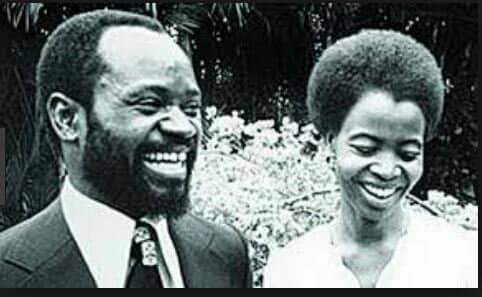 Mama Graça Machel and her late husband Samora Machel
Mozambique provided support to South African liberation movements during apartheid, despite facing severe political, economic and military consequences.
Lamola said the Truth and Reconciliation Commission estimated that apartheid’s destabilisation strategy cost six Frontline States about US$45 billion. This figure excluded the destruction of agriculture, industry, education and healthcare in countries such as Mozambique.
“Alongside other Frontline States, Mozambique bore immense political, economic and human costs because it chose to stand on the side of justice and freedom,” he said.
The historical relationship between the countries, Lamola argued, should not be weakened by contemporary political divisions or attempts to deny their shared heritage.
He pointed to centuries of interaction between communities across the region, including shared languages, intermarriage, farming and access to common natural resources.
For Lamola, this interconnected history provides a foundation for cooperation at a time when the region faces persistent unemployment, inequality and economic exclusion.
Lamola said the next phase of the liberation project must focus on ensuring that political independence translates into tangible improvements in people’s lives.
“We must build local economies that create jobs, expand opportunity and restore dignity,” he said.
Trade and investment between South Africa and Mozambique already provide a substantial foundation for this ambition.
From political freedom to economic liberation
Lamola said more than 2,500 commercial trucks travel along the Maputo Corridor daily, transporting coal, minerals, agricultural products, petroleum gas and other goods between the two countries and onward to international markets.
Mozambique is South Africa’s largest trading partner on the African continent and its sixth-largest export market globally, according to the minister.
South African companies have established a significant presence in Mozambique, with approximately 300 businesses operating there and supporting more than 40,000 jobs.
These links demonstrate the importance of transport infrastructure and cross-border commerce to the economic fortunes of both countries.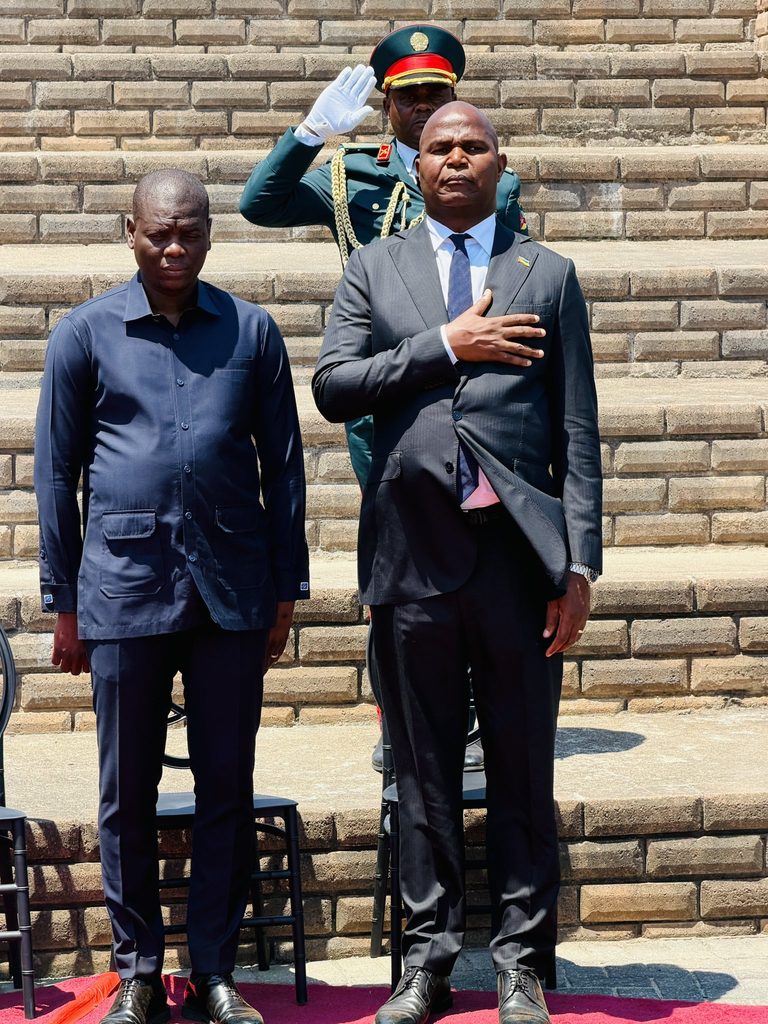 International Relations and Cooperation Minister Ronald Lamola and Mozambique President Daniel Chapo pay tribute to late liberation hero Samora Machel.
However, Lamola wants cooperation to go beyond the movement of
commodities and the export of raw materials. He called for greater investment in local manufacturing, mineral beneficiation and value addition, arguing that Africa’s resources should support industrial development and employment rather than leave the continent without capturing a greater share of their economic value.
“The Nkomazi Special Economic Zones when operational stand as good platform for us to build cross boarder special economic zones that can be catalyst for value addition in both countries and create jobs for both our nationals,” he said.
The proposed cross-border industrial zones would provide a platform for businesses to expand production, strengthen supply chains and develop employment opportunities on both sides of the border.
Lamola did not announce an implementation timetable for the proposed zones, but identified them as an opportunity to deepen economic integration.
Regional cooperation beyond trade
Lamola also called for accelerated implementation of the Southern African Development Community (SADC) integration agenda and the African Continental Free Trade Area.
He also highlighted the need for investment in transport, energy, water infrastructure and digital connectivity to support industrialisation.
Agriculture and food security are other areas in which the countries could strengthen cooperation, particularly as floods, droughts and cyclones increasingly threaten communities and livelihoods.
Lamola pointed to the SADC Humanitarian and Emergency Operations Centre in Nampula, Mozambique, as a mechanism through which countries could improve coordinated responses to disasters.
Peace and political stability also remain central to the relationship. He called for African-led solutions to conflict, greater cooperation against cross-border crime and stronger governance and accountability.
Lamola said the most meaningful tribute to the generations who fought for freedom would be to build a united, peaceful and prosperous Africa in which people could live with dignity and realise their potential. – news@mukurukuru.co.za


Leave feedback about this