By Gas for Africa
Africa’s gas sector opened March 2026 at one of its most consequential moments, shaped by a convergence of geopolitical urgency and long-planned infrastructure coming to fruition. As Middle East tensions disrupt global LNG supply chains, European governments are turning to Africa at speed — with Italy deepening its pipeline partnership with Algeria and Ukraine in active discussions with Mozambique over LNG supply. Africa is no longer simply a future supplier. It is being called upon now.

The commercial momentum matches the geopolitical shift. Nigeria’s 2026 gas master plan targets over $60 billion in sector investment and a path to 12 billion cubic feet per day by 2030.
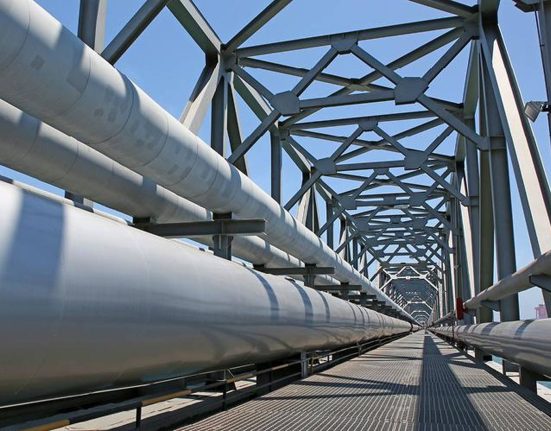
The Nigeria-Morocco Gas Pipeline, the Trans-Saharan corridor and the restart of Mozambique LNG after five years of suspension are all advancing simultaneously. Grand Tortue Ahmeyim, now in commercial production off Senegal and Mauritania, is already being evaluated for Phase 2 expansion. With over $50 billion in active LNG investment across Mozambique, Nigeria, Senegal and Tanzania, and domestic gas demand projected to grow 60% by 2050, the continent is no longer building the case for gas. It is building the infrastructure.
Nigeria Draws Africa’s Gas Leaders: The Decade of Gas and World Bank Set the Stage for a Continent-Wide Energy Shift
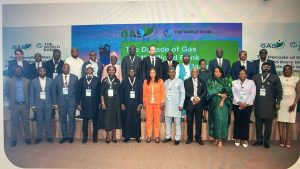
Abuja hosted a ministerial roundtable under Nigeria’s Decade of Gas, bringing together African leaders and the World Bank to advance regional gas cooperation.
The key takeaway: Africa’s gas future now depends on coordination, infrastructure, and bankable cross-border projects with the Decade of Gas emerging as a continental platform to drive this shift.